MSP Trooper Casey LaMonte Pleads Not Guilty as Defense Pushes Back After Court
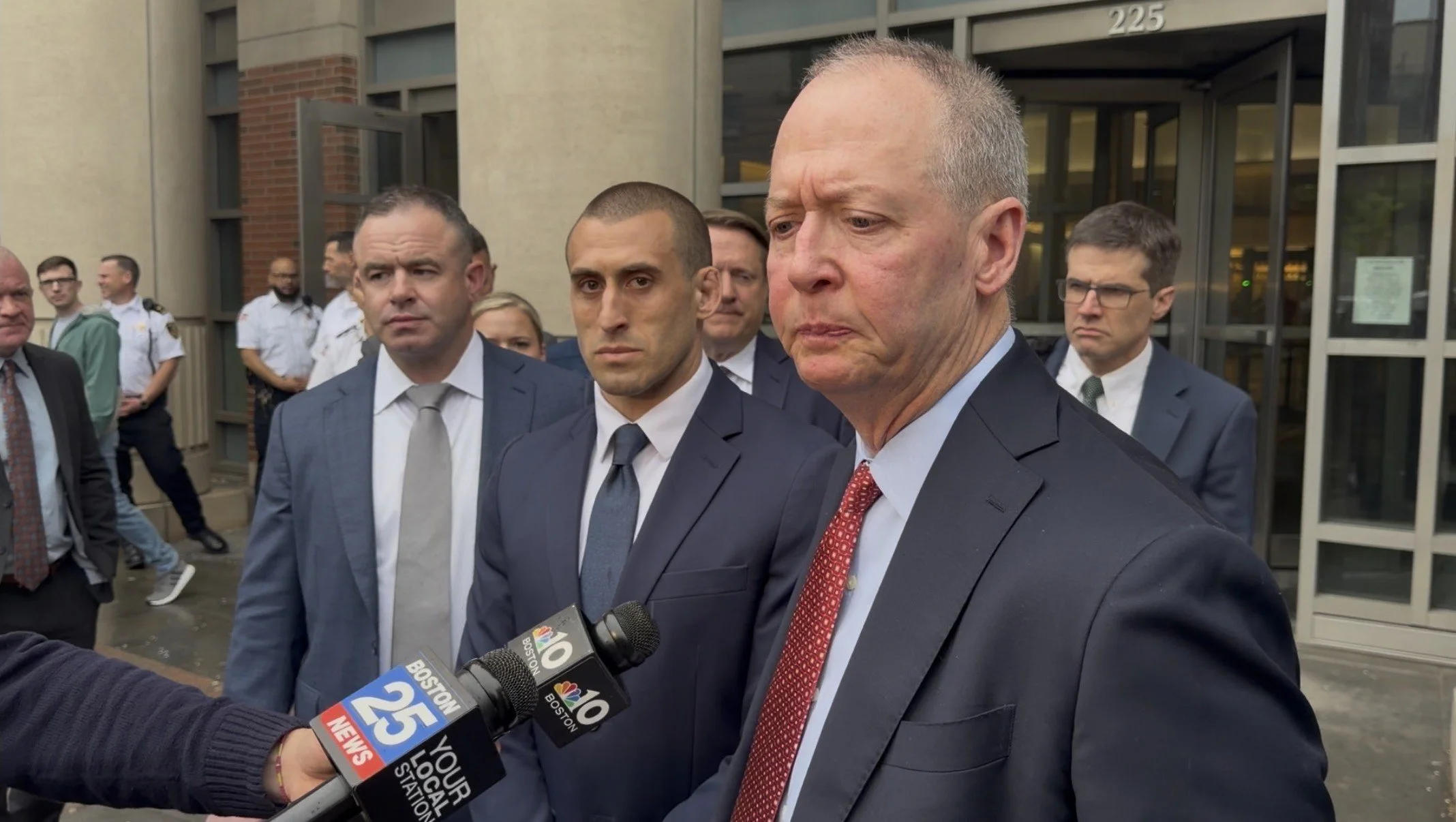
All Photos by LTL Media
This afternoon in Worcester Superior Court, Massachusetts State Police Trooper Casey LaMonte was formally arraigned in Worcester Superior Court in connection with the death of recruit Enrique Delgado-Garcia.
LaMonte is now the fourth Massachusetts State Police member charged in this case, joining Sgt. Jennifer Penton, Trooper Edwin Rodriguez, and Trooper David Montanez.
During the brief hearing, LaMonte pleaded not guilty to two charges:
Count 1: Involuntary manslaughter
Count 2: Causing serious bodily injury to a participant in a physical exercise training program
LaMonte, like the other defendants, is presumed innocent unless and until proven guilty in court.
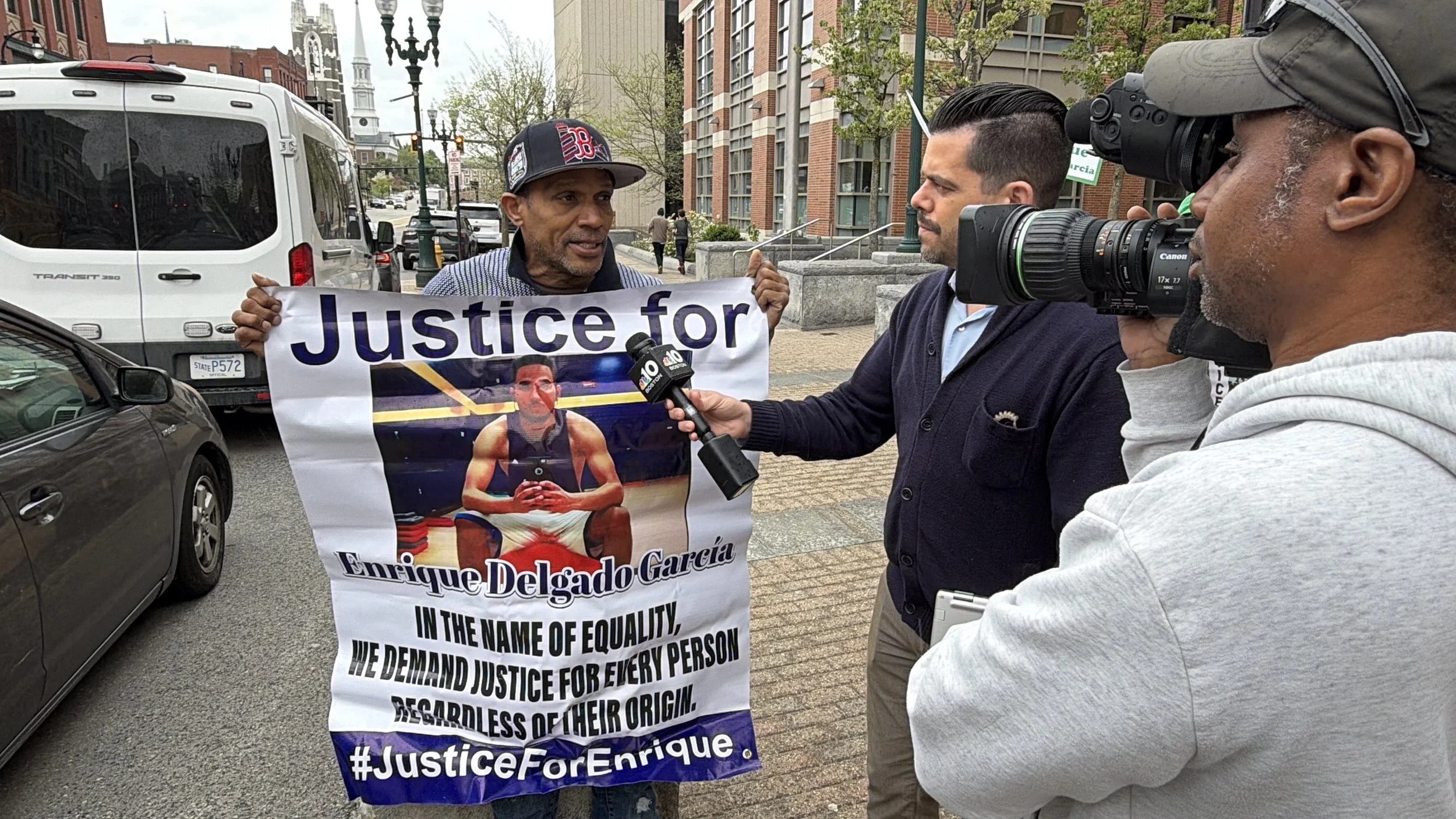
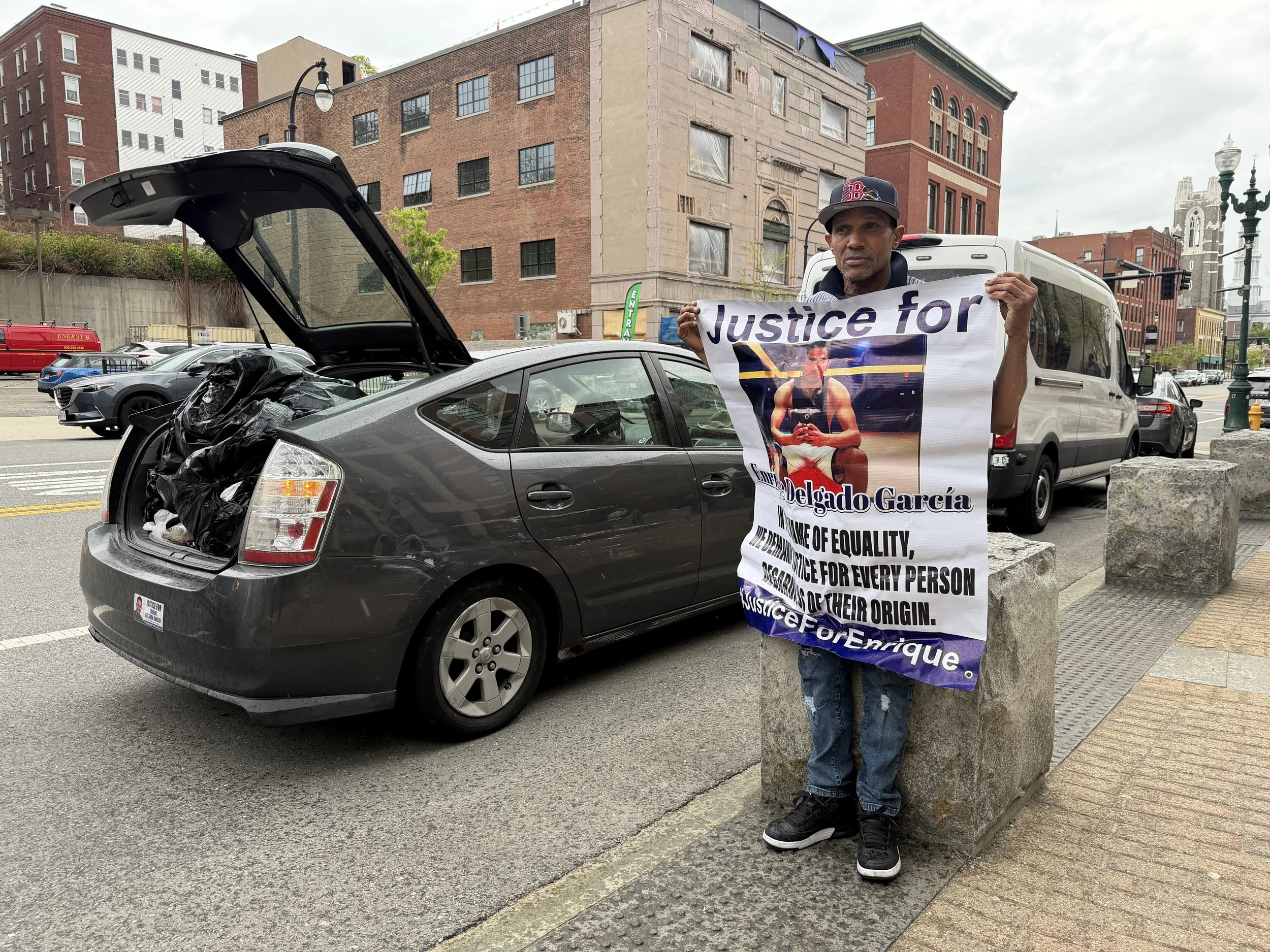
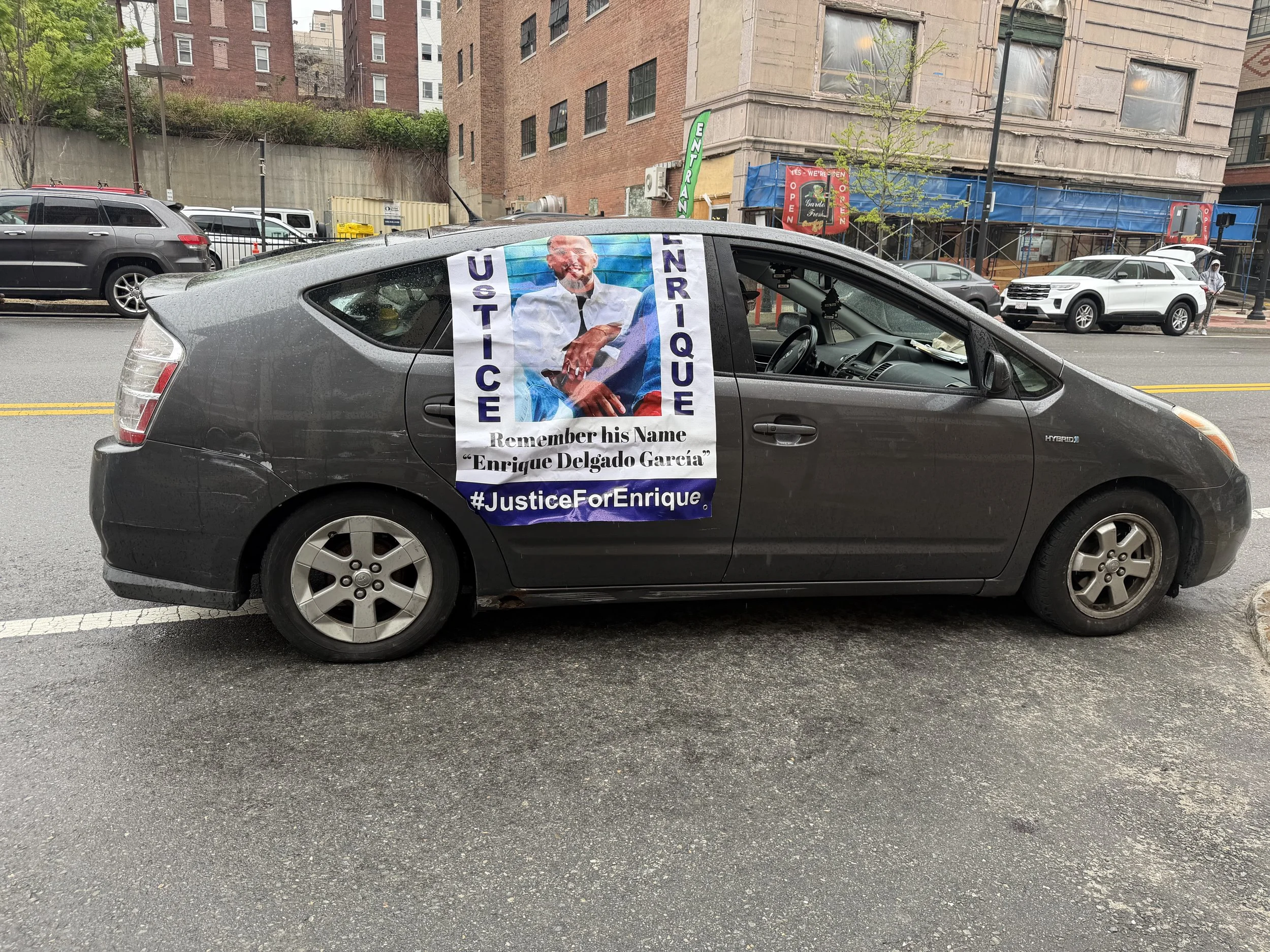
Released on Personal Recognizance
The Commonwealth, represented by Independent Counsel David Meier, requested that LaMonte be released on personal recognizance, with the only condition being no contact with certain individuals identified to the defense.
LaMonte’s attorney, Brian Kelly, agreed to those terms.
The judge accepted the agreement. LaMonte was released without cash bail and given a standard bail warning. His next court date is scheduled for June 16 for a pre-trial conference.
What Happened at Sidebar
One of the more important moments came during the sidebar.
The discussion appeared to center on the Commonwealth’s Statement of the Case, the detailed filing laying out the allegations against LaMonte.
The defense raised concerns about that document remaining publicly available, especially because of how much detail it contains. From the defense’s perspective, the concern is that the filing could be seen by the media, the public, and potentially future jurors before trial.
The judge denied the motion without prejudice, meaning the defense can raise the issue again later.
A key reason appeared to be that similar statements had already been filed in the cases against the other three co-defendants. The court seemed reluctant to remove only LaMonte’s statement while the others remained public.
That sidebar showed an early legal battle over public access, pretrial publicity, and how the court balances transparency with the right to a fair trial.
LaMonte’s Lawyer Speaks After Court
After court, LaMonte’s attorney, Brian Kelly, strongly pushed back against the charges.
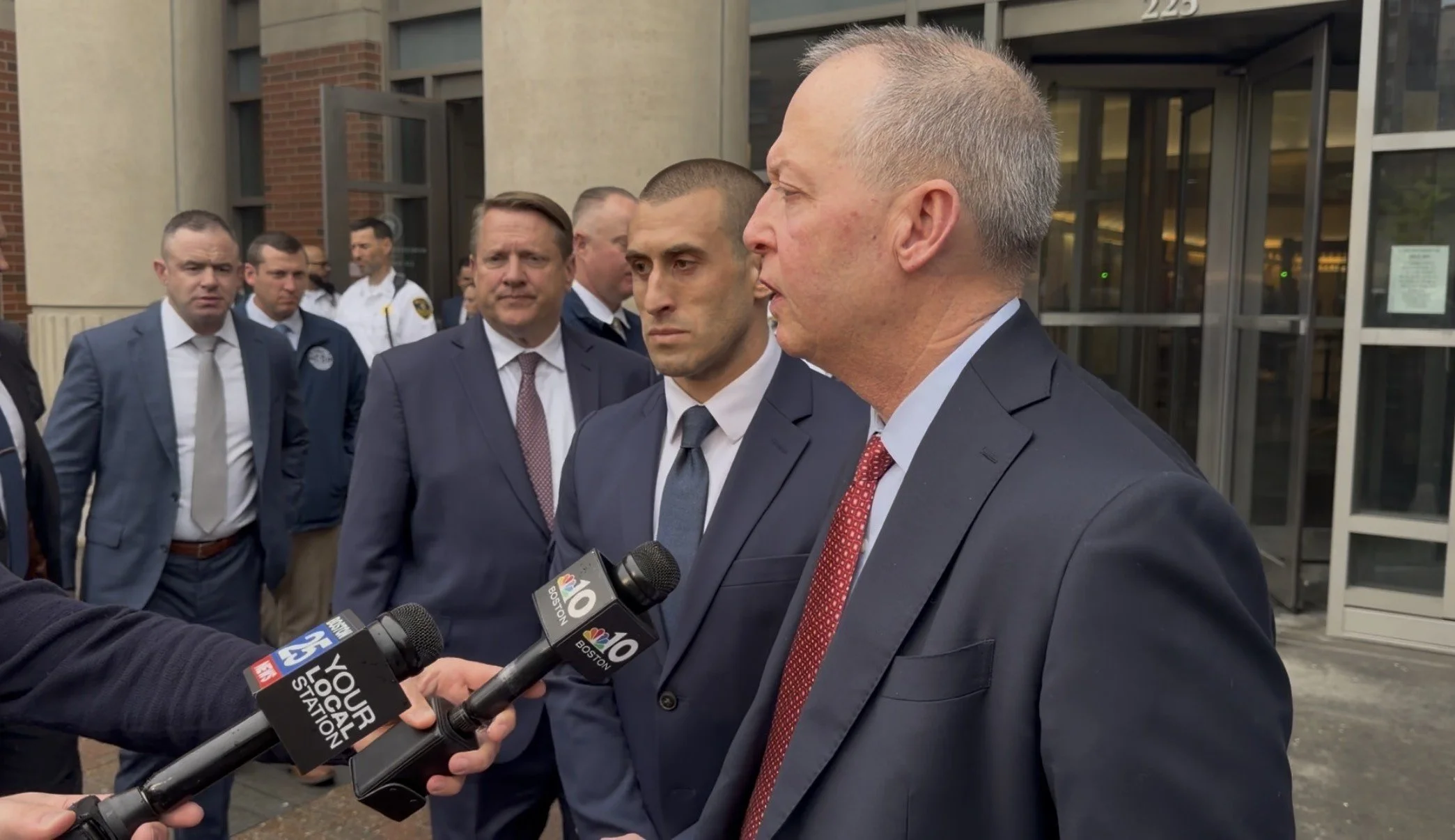
Kelly argued that Enrique Delgado-Garcia’s death was a tragedy, but not a crime. He said the Commonwealth made the tragedy worse by charging what he described as an innocent man.
Kelly also said the boxing program had been in place for decades and was approved at high levels within the Massachusetts State Police. In his view, LaMonte is being scapegoated for a long-standing training program.
One of Kelly’s strongest points was that LaMonte was allegedly not present during the sparring session where Delgado-Garcia was fatally injured. Kelly argued that it is unfair to accuse LaMonte of criminal recklessness when he was not there for that session.
Kelly also addressed the issue of revised training documents. He said daily lesson sheets are routinely updated at the end of the day to reflect what was actually taught. He called any suggestion of nefarious intent misleading. My sources tell me that lesson plans are “NEVER” to be revised for any reason and “every course is required to have an approved lesson plan before the start of the academy”. In my opinion, LaMonte’s lawyer is playing words games and that this narrative will backfire during the trial if he keeps to that mindset.
That matters because document revisions appear to be one of the issues the Commonwealth is focusing on. The defense is already signaling that it will challenge that part of the case.
A Familiar Pattern Inside the MSP
Brian Williams, President of the State Police Association of Massachusetts, also spoke after court and strongly defended the charged members.
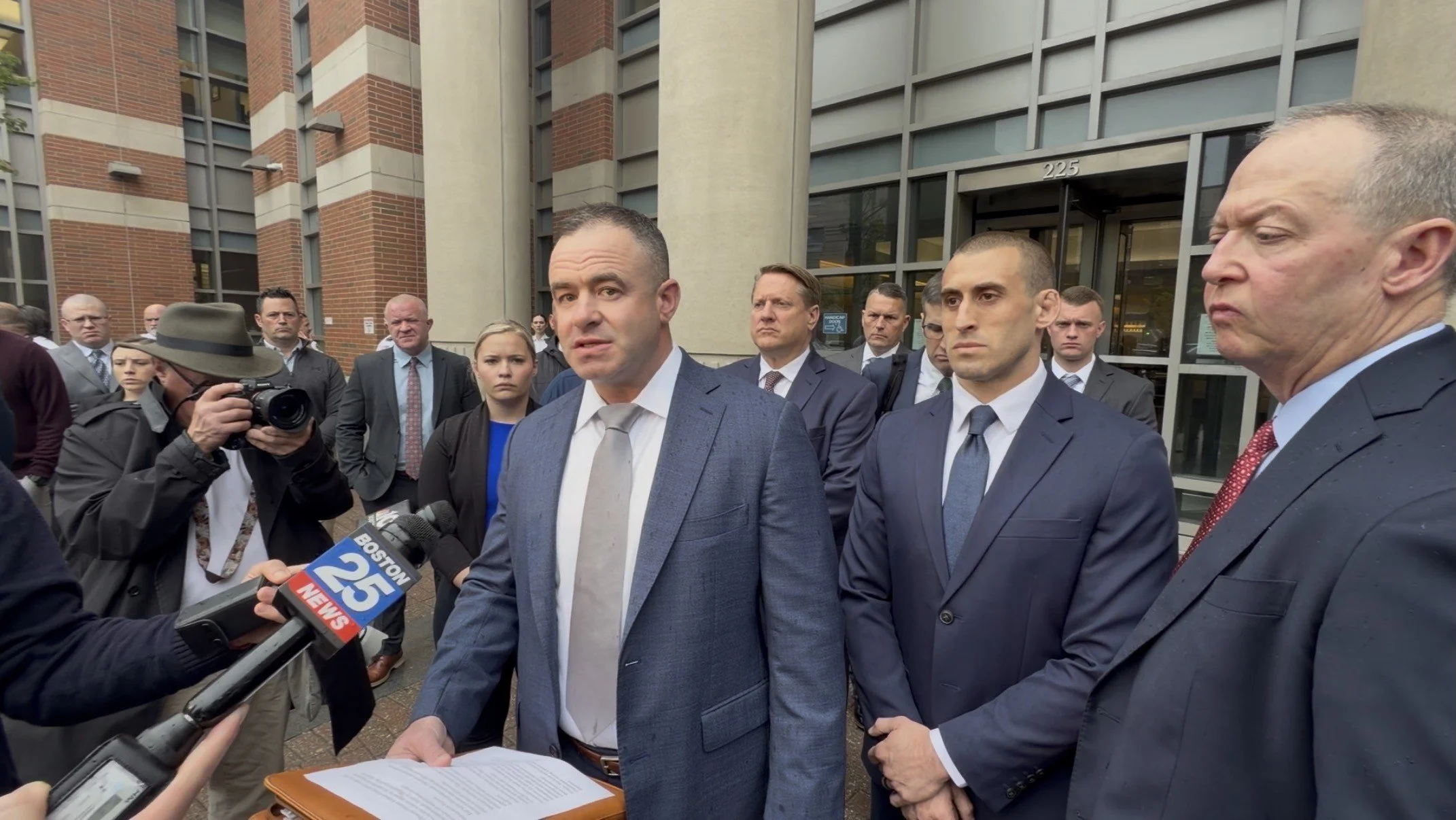
Williams argued that the public narrative around Enrique Delgado-Garcia’s death has been shaped by incomplete and inaccurate information. He said the union does not believe the evidence supports the charges. He also pointed to the fact that the training session was video-recorded, that there was qualified oversight, and that the defensive tactics staff followed established rules and protocols.
But this is exactly where the public concern begins.
Too often with the Massachusetts State Police, the first institutional response appears to be control the narrative, minimize the alleged facts, and frame the story in the most favorable way possible. Instead of letting the evidence speak for itself, the public is told that people are misunderstanding the situation, that critics do not have the full picture, or that accountability is being driven by pressure instead of facts.
That has become a familiar culture inside the MSP.
When serious allegations surface, the pattern often feels the same: bury the uncomfortable details, protect the institution, and write a cleaner version of the story for public consumption. That does not mean the defendants are guilty. They are presumed innocent, and the Commonwealth still has to prove its case in court.
But accountability cannot only be demanded when it protects the badge. It also has to apply when the facts are ugly, when leadership failed, and when a recruit dies inside a state police academy.
Williams is right about one thing: accountability should be based on facts, not public pressure. But those facts cannot be selectively framed, buried, or rewritten by the same institution now under scrutiny.
In the Enrique Delgado-Garcia case, the public deserves the full truth, not just the version that protects the Massachusetts State Police.
Bottom Line
Casey LaMonte pleaded not guilty to both charges and was released on personal recognizance. His next court date is scheduled for June 16.
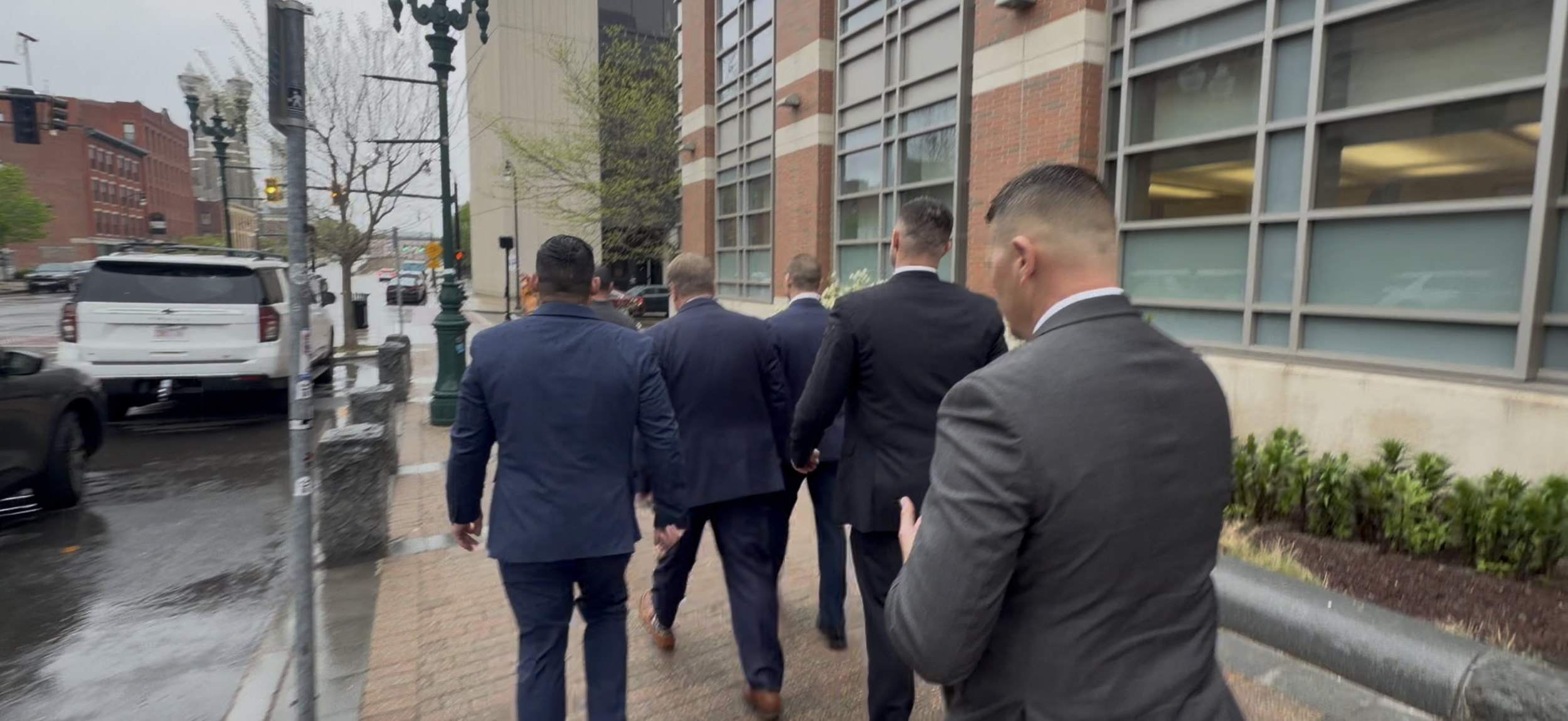
After court, I attempted to get a comment from LaMonte, but he walked away without answering.
In my opinion, the bigger story came from the sidebar and the statements made after court.
The defense is already challenging the Commonwealth’s public filings, pushing back on claims about document revisions, and arguing that LaMonte is being scapegoated.
At the same time, the response from the State Police union reflects what many people see as a familiar pattern inside the MSP: control the narrative, downplay the alleged facts, and present the public with the version most favorable to the institution.
That does not erase LaMonte’s presumption of innocence. He, like the other defendants, has the right to defend himself in court, and the Commonwealth still has the burden to prove its case.
But for Enrique Delgado-Garcia’s family, this case is about justice. For the defendants, it is about fighting charges they say are unsupported. And for the public, this case raises serious questions about academy safety, supervision, transparency, and accountability inside the Massachusetts State Police.