Karmelo Anthony Murder Trial Week 1 Recap: Self-Defense Fight, and the “He Was Jumped” Theory
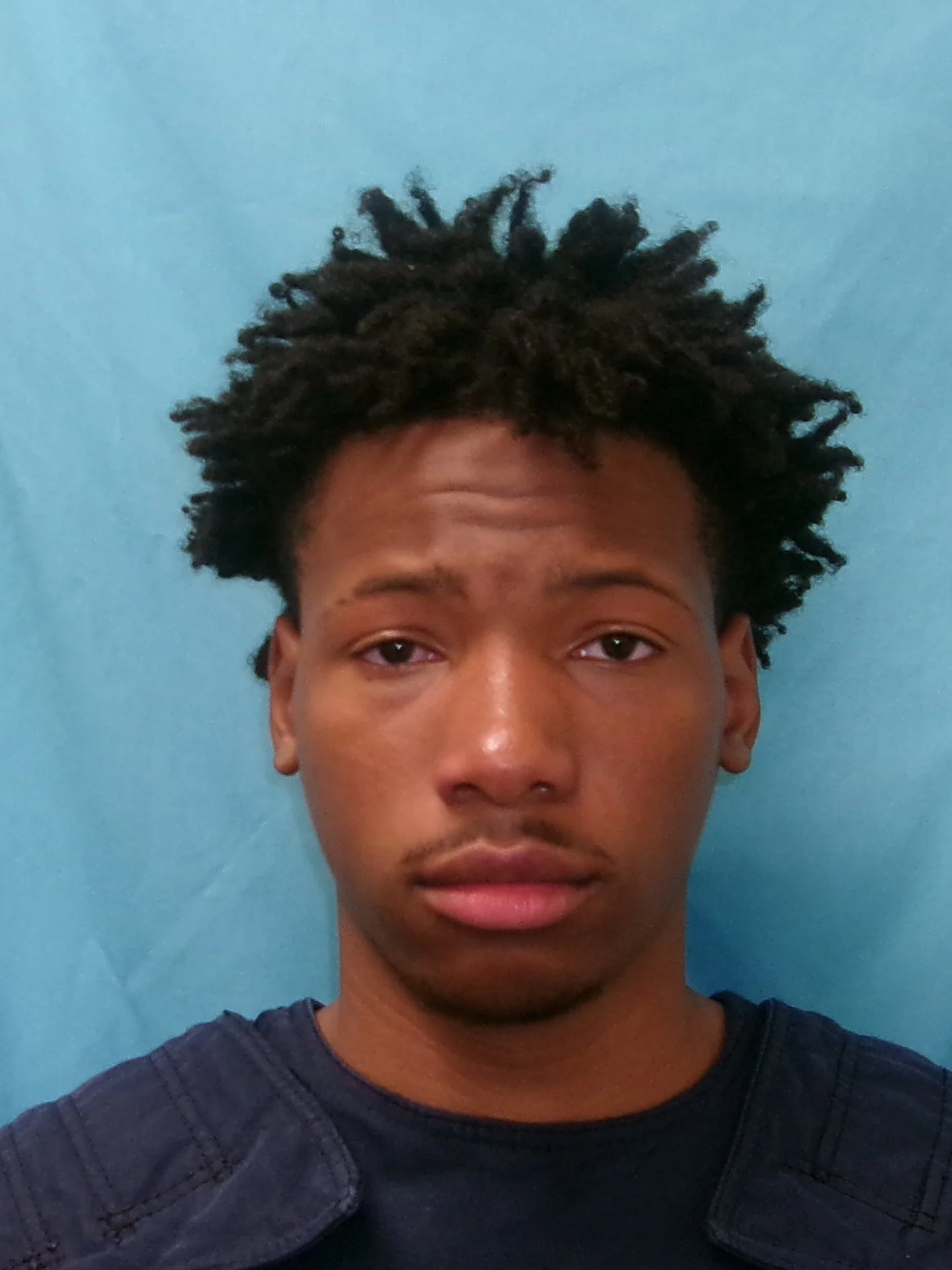
Karmelo Anthony
The Karmelo Anthony murder trial has quickly become a case about more than just what happened under a track meet tent. It is now a courtroom battle over self-defense, provocation, proportionality, witness credibility, and online misinformation.
At the center of the case is the fatal stabbing of 17-year-old Austin Metcalf during a Frisco ISD track meet. Karmelo Anthony is accused of stabbing Austin once in the chest after a confrontation under the Memorial High School team tent. The defense is not simply arguing that nothing happened. The defense is arguing that Anthony acted out of fear after being physically confronted.
That makes the central question for the jury very clear: Was Karmelo Anthony reasonably defending himself from an immediate threat of serious bodily injury or death, or did he provoke a confrontation and respond to non-deadly force with deadly force?
Day 1: Jury Seated, Opening Statements, and Surveillance Video
Day 1 set the entire framework for the trial.
The prosecution opened by presenting the case as a senseless and unjustified killing. Their theory is that Anthony was under another team’s tent, was asked to leave, refused, escalated the encounter, had his hand in or near his backpack, and ultimately used a knife after non-deadly physical contact.
The defense told a very different story. Their argument is that Anthony was smaller, in a crowded and chaotic tent, confronted by larger athletes, warned Austin not to touch him, and reacted in a split-second moment of fear.
A major focus of Day 1 was the surveillance video. Prosecutors used the video to help establish the timeline, the movement around the tent, the scattering after the stabbing, and Anthony leaving the area. But the video is not perfect evidence. It reportedly has no audio, does not clearly show every movement under the tent, and does not fully answer what was said or what Anthony believed in that moment.
Day 2: First Responders, Bodycam, Knife, Backpack, and Teen Witnesses
Day 2 was one of the most important days because the evidence began cutting directly into several online narratives.
First responders testified about Austin’s condition after the stabbing. According to the trial recap packet, testimony described Austin as gray, not breathing, without a pulse, and in extreme distress. This testimony made the severity of the stabbing clear to the jury.
The bodycam and officer testimony also became central. Anthony allegedly made statements after being detained, including words to the effect of: “I’m not alleged. I did it,” while also saying Austin put his hands on him after being warned not to.
That statement is important because it helps both sides.
For the prosecution, “I did it” sounds like an admission.
For the defense, “he put his hands on me” sounds like an immediate self-defense explanation.
But for the viral online theory that Anthony was jumped by several boys, the statement creates a problem. The alleged language was singular: “he” put his hands on me, not “they jumped me.”
The knife and backpack also became major issues. Witnesses described Anthony having his hand in or near his backpack before the stabbing. The prosecution can argue that shows readiness or escalation. The defense can argue that shows fear or defensive posture. The jury will have to decide which interpretation is more believable.
Day 3: State Rests, Medical Examiner, Directed Verdict Denied, Defense Begins
Day 3 was a major turning point.
The prosecution rested after presenting 21 witnesses. After that, the defense moved for a directed verdict, essentially asking the judge to end the case before it went to the jury. The judge denied that motion, meaning the case would continue and the jury still had evidence to weigh.
The medical examiner testimony was one of the strongest moments for the prosecution. This notes that the wound penetrated Austin’s heart and was described as not survivable. That matters because this is not just about whether there was a fight or a push. It is about whether the response — a knife to the chest — was legally reasonable and immediately necessary.
After the state rested, the defense began calling witnesses to reframe the tent issue. Their witnesses tried to show that track meets are relaxed, athletes sometimes move between tents, and students may mingle with athletes from other schools.
That helps the defense soften the argument that Anthony had absolutely no reason to be under the Memorial tent. But the prosecution brought the focus back to the knife: even if athletes sometimes visit other tents, that does not explain why a student had a knife at a school track meet.
The “He Was Jumped” Theory
The “he was jumped” claim is one of the loudest online narratives surrounding this case, but the courtroom testimony described does not support the broad viral version of that claim.
The online theory has taken several forms. First, it was that Anthony was jumped by four boys. Then some versions shifted to two boys. Other versions focused on both Metcalf brothers physically confronting him. Another version simply treats any push or touch as “being jumped.”
But the evidence described so far supports something narrower: there was a confrontation, Anthony was asked to leave, there was verbal back-and-forth, Austin made physical contact, Anthony had his hand near or in his backpack, and Anthony stabbed Austin once in the chest.
What the evidence does not support so far is a four-on-one beating, a mob attack, or multiple boys physically jumping Anthony inside the tent. Also noted that at least one witness account does not clearly support Hunter Metcalf being physically involved in the decisive contact.
Prosecution vs. Defense: Core Trial Battle
This trial is really about how the jury interprets the same core facts.
The prosecution wants the jury to see provocation and disproportionate force: Anthony was under another team’s tent, refused to leave, used warning language, had his hand in or near a backpack, and responded to a push or touch with a knife to the chest.
The defense wants the jury to see fear and immediacy: Anthony was smaller, physically contacted first, in a crowded environment, and reacting in a split-second moment after warning Austin not to touch him.
Witness and Evidence Buckets
The witness testimony is important because different witnesses may vary on details while still agreeing on the general structure of the event: Anthony was under the tent, he was asked to leave, there was verbal escalation, Austin made physical contact, and Austin was stabbed.
The refreshed packet organizes the evidence into helpful “witness buckets,” including teen witnesses, coaches/trainers, police/bodycam evidence, knife recovery, first responders, the medical examiner, and defense track-meet witnesses.
Bottom Line
The Karmelo Anthony trial is not simply about whether Austin Metcalf was stabbed. It is about whether the stabbing was legally justified.
Days 1, 2, and 3 sharpened the battle lines. Day 1 gave jurors the competing stories: murder versus self-defense. Day 2 introduced some of the most important evidence, including first responders, bodycam statements, teen witnesses, the knife, and backpack testimony. Day 3 brought the state’s case to a close, added powerful medical examiner testimony, and opened the door for the defense to reframe the tent as part of a looser track-meet environment.
But the biggest public narrative — that Karmelo Anthony was jumped by multiple boys — has not been supported by the courtroom evidence described so far. What has been supported is a confrontation, verbal escalation, and physical contact by Austin. The jury now has to decide whether that physical contact made deadly force reasonable and immediately necessary.
This case should be judged by the evidence, the testimony, the video, the bodycam, the knife, the medical evidence, and the law — not social media rumors, race narratives, or online noise.
Courtroom Sources: CBS 11: J.D Miles, Independent Journalist: Sarah Fields, Daily Mail: MaryAnn Martinez
This summary and chart was comprised via summaries from my YouTube presentations
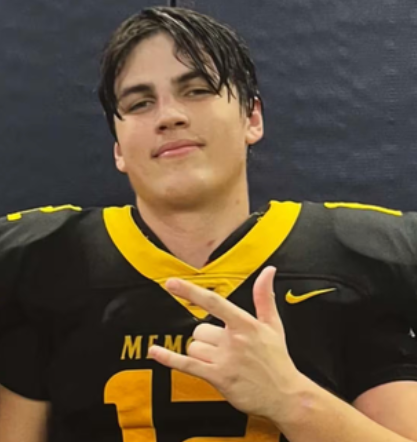
Austin Metcalf