Michael Proctor’s Text Messages Could Become a Disaster for the Massachusetts State Police
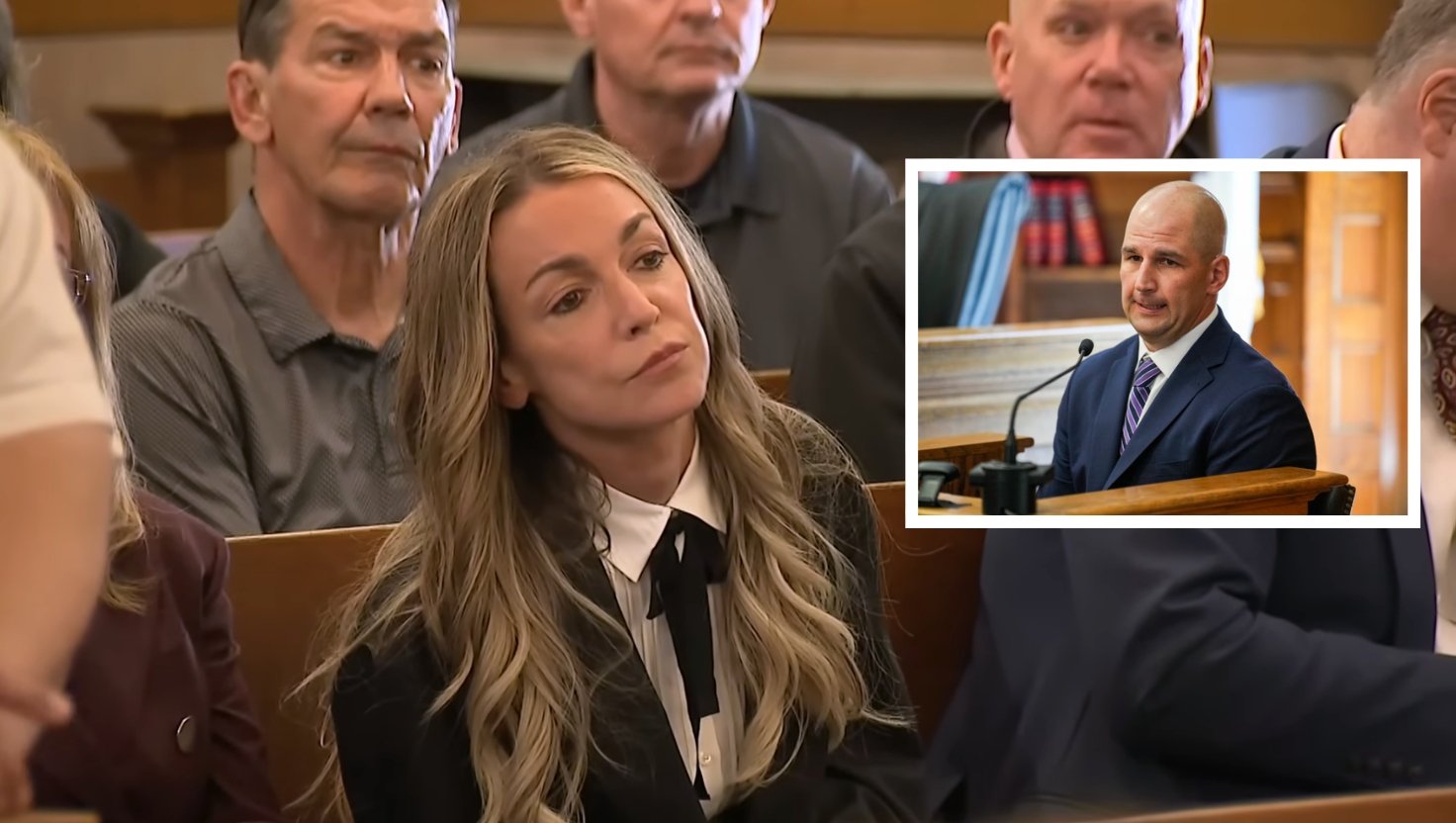
Photo: NBC Boston 10
The Michael Proctor scandal is no longer just a Karen Read problem.
It is now becoming a much larger Massachusetts State Police problem, one that could impact multiple criminal cases, raise serious questions about past investigations, and force the public to ask how someone like Proctor was ever trusted with major cases in the first place.
Proctor was the lead investigator in the Karen Read case, where she is accused of killing Boston Police Officer John O’Keefe. From the beginning, Read’s defense has raised questions about the investigation, evidence handling, possible conflicts of interest, and whether investigators followed the facts or built a case around a theory.
Now, Proctor’s own conduct is under the microscope.
According to court discussions, Proctor allegedly sent racist, homophobic, misogynistic, and antisemitic text messages from his personal phone dating back years. These messages reportedly include derogatory comments about Karen Read and other disturbing material.
And the number attached to this is staggering: 44,000 pages of text messages and phone material.
That is not one bad text. That is not a minor lapse in judgment. That is not something that can be brushed aside as “private conversations.” Forty-four thousand pages suggests something much deeper: a pattern, a culture, and a massive credibility crisis.
If a lead investigator in a murder case carried this type of alleged bias, then every decision he made deserves scrutiny. Every report. Every interview. Every piece of evidence. Every conclusion.
Attorney Rosemary Scapicchio, who represents multiple defendants whose cases involved Proctor, spoke in a court hearing the other day is now seeking records about how he was hired, trained, supervised, disciplined, promoted, and protected within the Massachusetts State Police.
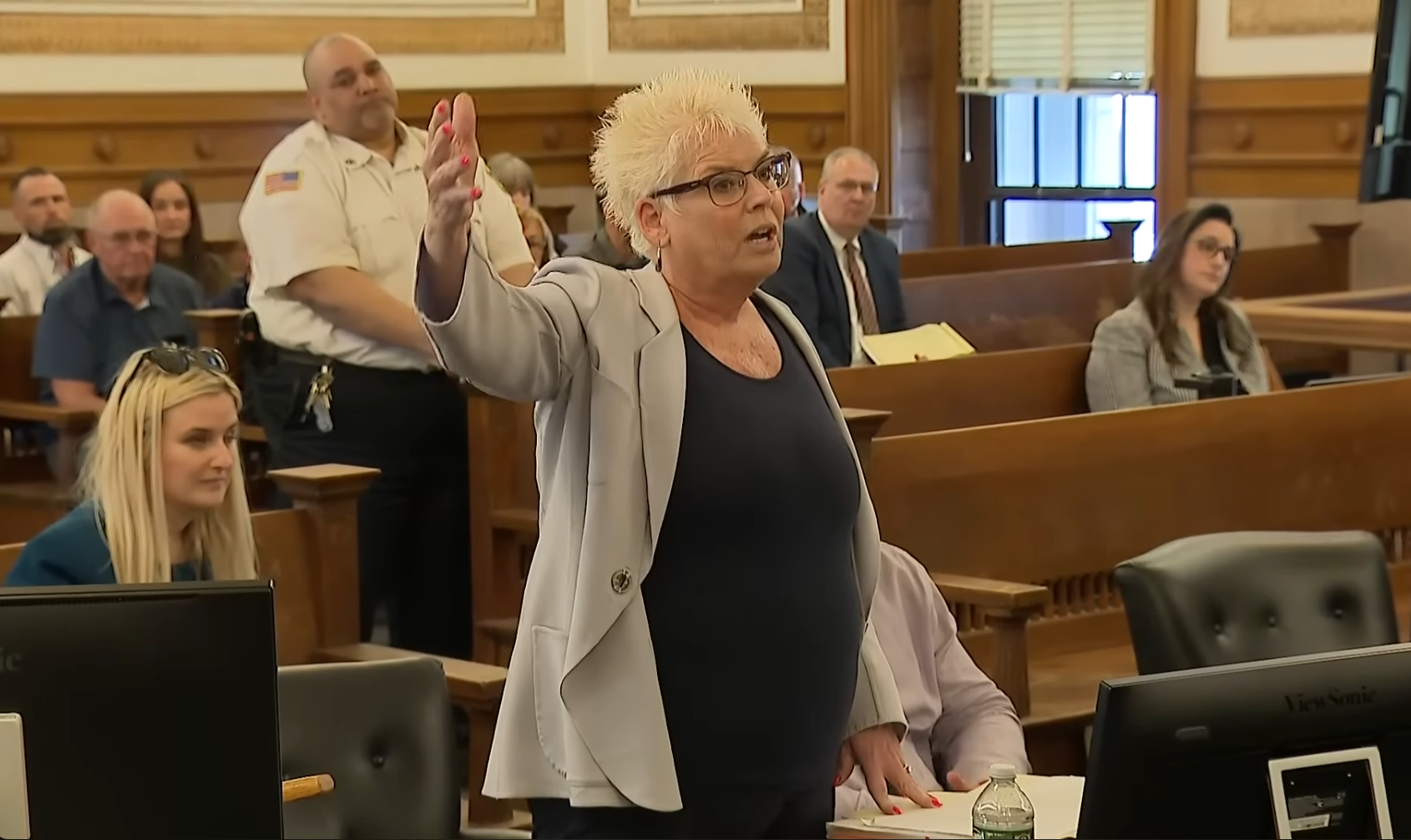
Photo: NBC Boston 10
That request is important.
This is no longer just about what Proctor said. It is about whether the system around him failed to identify a serious problem, or worse, ignored it.
Scapicchio has argued that Proctor’s alleged bias could matter in cases involving Black and brown defendants. She even quoted one alleged message attributed to Proctor: “It’s kill an [“N” expletive] in Canton day.”
Prosecutors may argue these texts are inflammatory and not relevant in every case. But that argument gets harder when Proctor played a meaningful role in the investigation. In Karen Read’s case, he was not a background figure. He was the lead investigator. He authored reports, handled key evidence, and helped shape the direction of the case.
That makes his credibility directly relevant.
The situation becomes even more troubling with the revelation that Proctor allegedly “lost” his phone after it was returned to him. That timing is difficult to ignore. At best, it looks careless. At worst, it raises serious questions about whether key evidence was mishandled or shielded from further review.
The Massachusetts State Police and prosecutors cannot simply tell the public to trust the process while these questions remain unanswered.
If Proctor’s phone produced 44,000 pages of material, and prosecutors have sought protective orders involving material from his personal or work phone in more than a dozen cases, then this is not an isolated Karen Read issue. This is a potential ripple effect across the Massachusetts justice system.
The public deserves to know:
Was Proctor properly vetted before being hired?
Were there warning signs in his career?
Did supervisors know about any problematic conduct?
Did his alleged bias affect investigations?
How many cases could be impacted?
And why was someone with this level of alleged misconduct allowed to become a lead investigator in such serious cases?
Michael Proctor’s conduct has already damaged public confidence in the Karen Read investigation. But the bigger question now is whether his case exposes a deeper failure inside the Massachusetts State Police and what other cases he’s been involved with will they affect.
When a police investigator becomes the scandal, every case he touched deserves a second look. The justice system depends on fairness, credibility, and transparency. Without those things, the public has every reason to question whether justice was truly served or will it ever be.
This article was adapted from a recent LTL Media livestream and edited for clarity