MSP Sgt. Jennifer Penton’s Perjury Arraignment Just Added Another Layer to This Case
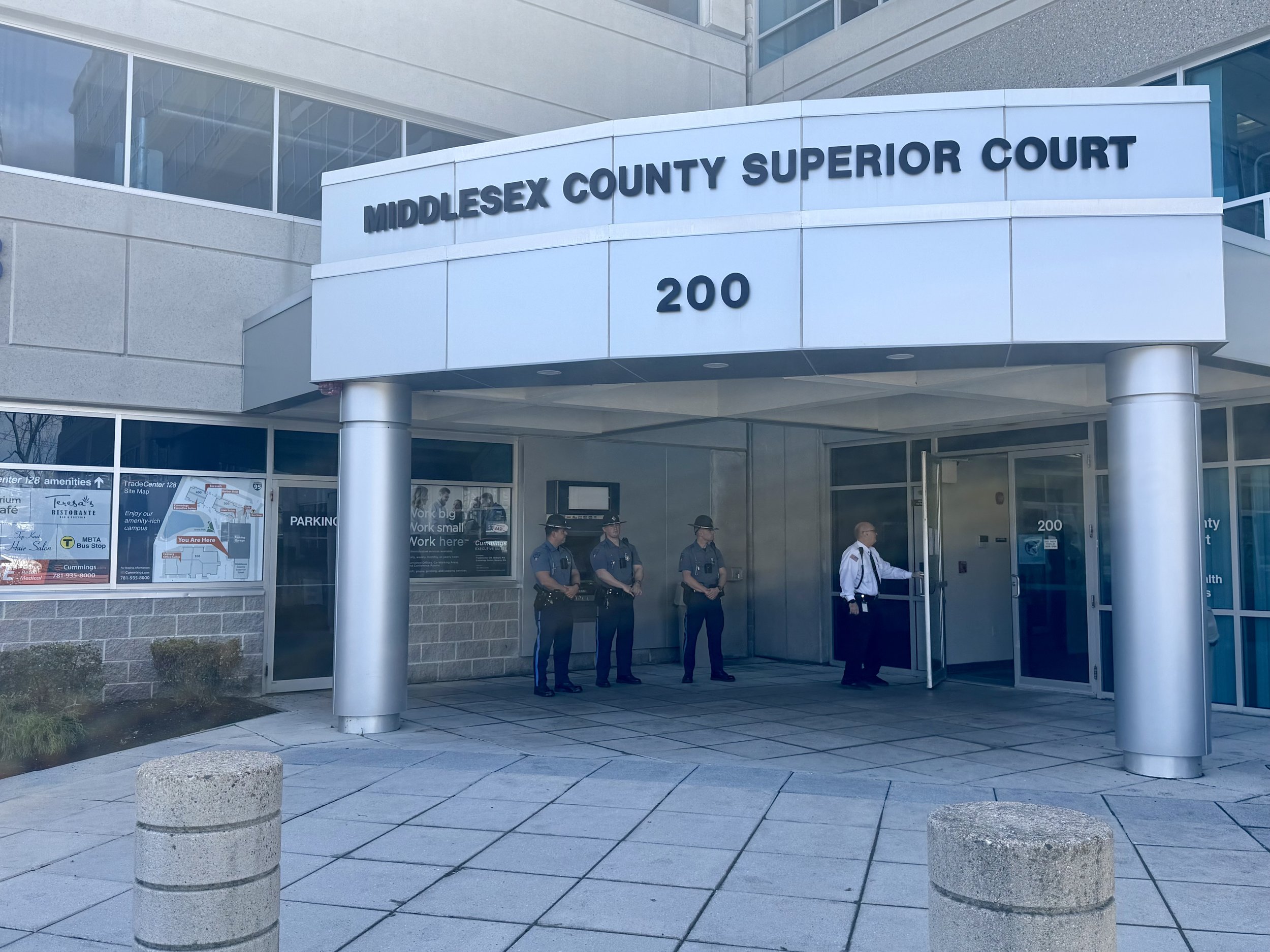
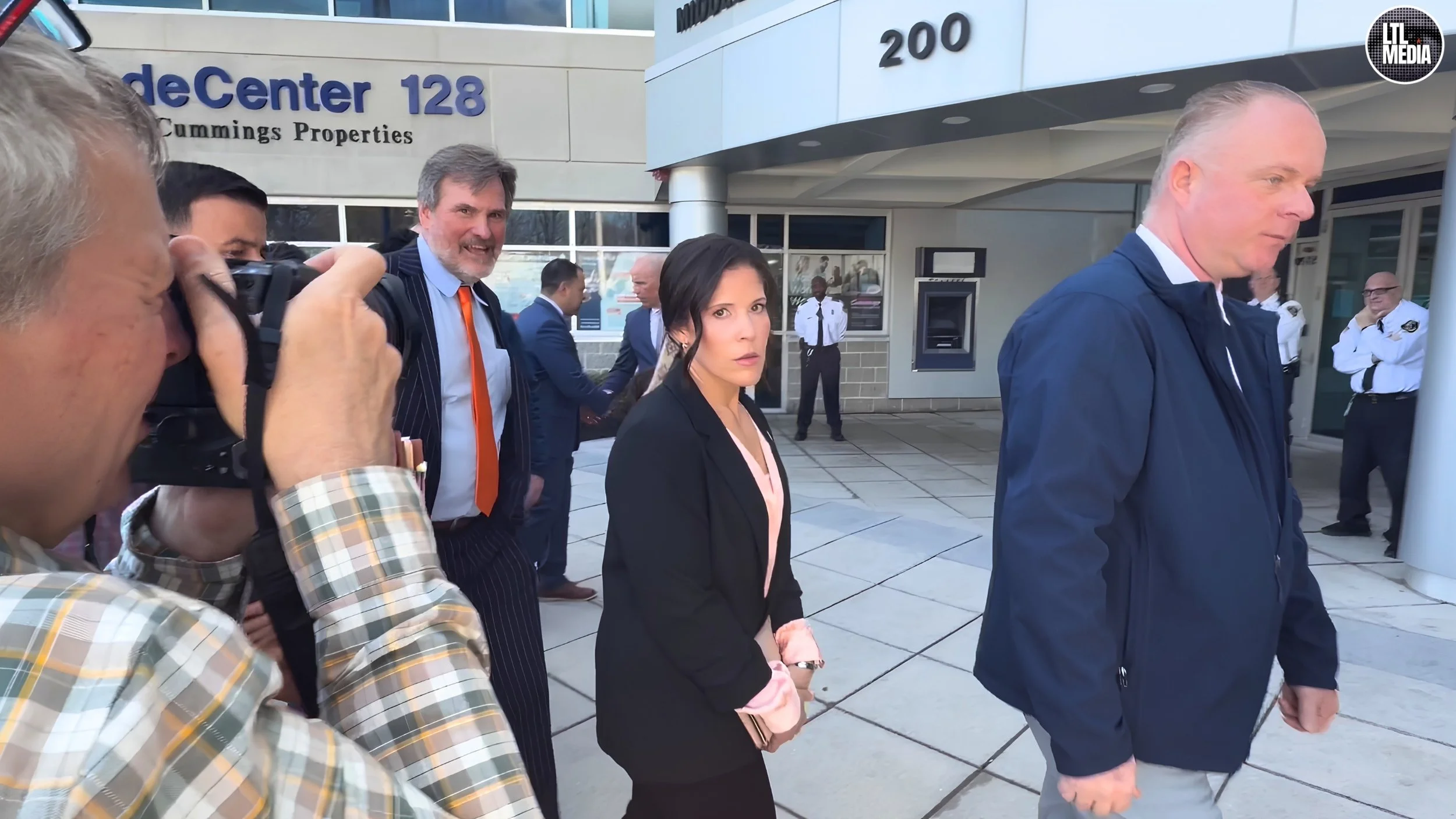
Yesterday I was in Middlesex Superior Court covering the arraignment of suspended Massachusetts State Police Sgt. Jennifer Penton, who is now facing a perjury charge tied to the death of MSP recruit Enrique Delgado-Garcia.
Penton pleaded not guilty.
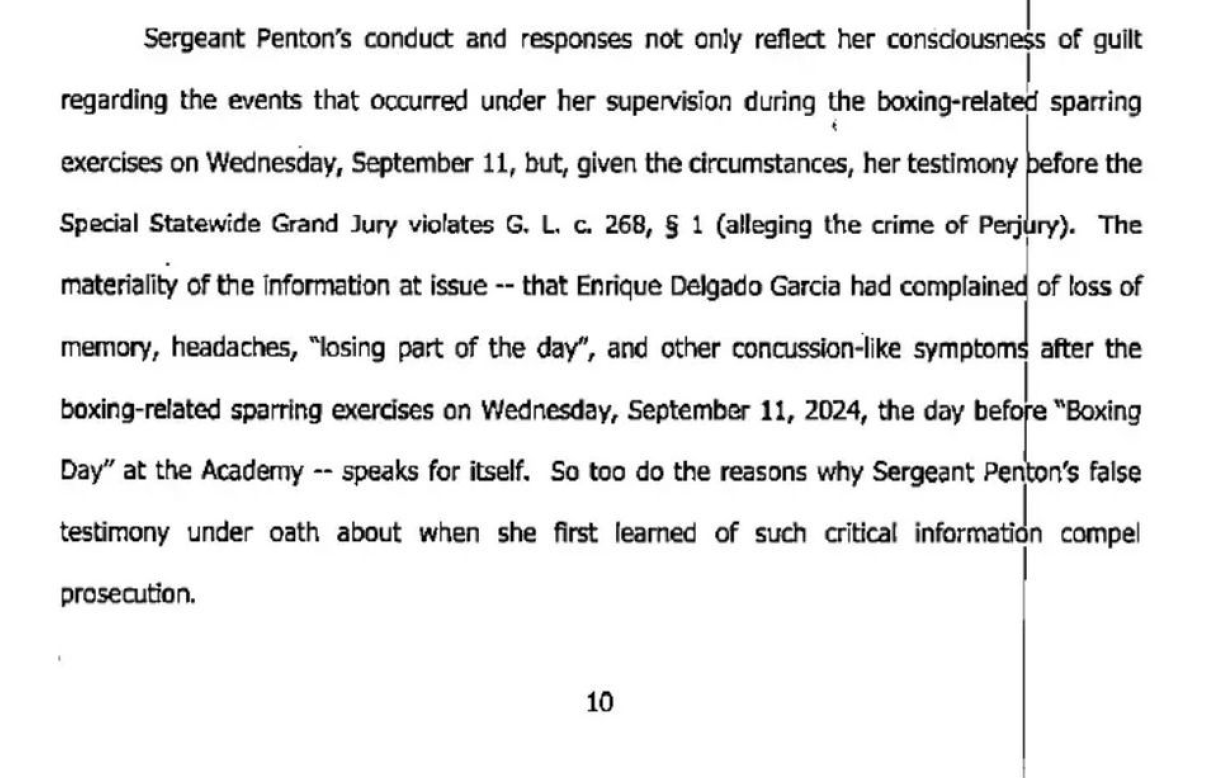
According to prosecutors, she lied under oath to a statewide grand jury when she was asked about when she first became aware that Delgado-Garcia was showing concussion-like symptoms during academy training. That is now the focus of a separate criminal case, on top of the charges she is already facing in connection with Delgado-Garcia’s death.
And this is where the case keeps getting deeper.
Penton is already one of four instructors charged in the underlying case out of Worcester County, where prosecutors allege Delgado-Garcia suffered fatal injuries during an unauthorized boxing-related training exercise at the Massachusetts State Police Academy in New Braintree. The Commonwealth has alleged wanton and reckless conduct, involuntary manslaughter, and serious bodily injury tied to what happened that day.
But this new charge is different.
This one is about what Penton allegedly said after the fact, under oath, during a statewide grand jury investigation. It goes straight to credibility. It goes straight to accountability. And it goes straight to the question a lot of people have been asking from the beginning: who knew Enrique Delgado-Garcia was in distress, and when did they know it?
That timing matters.
If prosecutors can prove Penton knew Delgado-Garcia was showing concussion-like symptoms earlier than she admitted, then this is not just a technical issue. It becomes a much bigger problem about truthfulness, supervision, and whether people in positions of authority were trying to protect themselves instead of being honest about what happened.
And then came one of the most unbelievable moments of the day.
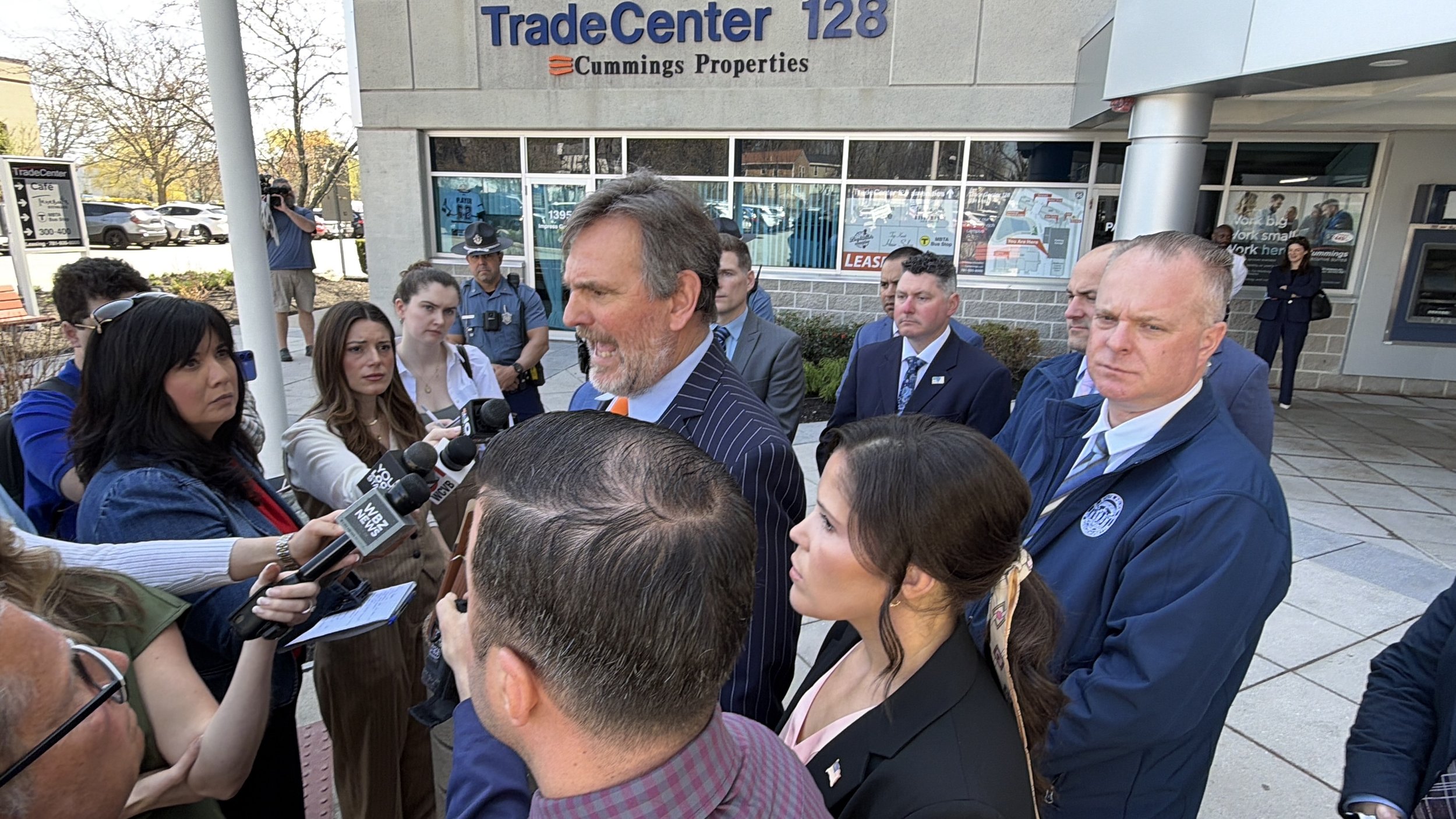
While standing right in front of his client, with what looked like around 10 different state police representatives and lawyers nearby, defense attorney Brad Bailey appeared to make what sounded like a Freudian slip during his media interview. As I heard it, Bailey said he believed his client would be found guilty of this charge, meaning the perjury charge, and not guilty of the involuntary manslaughter charge.
You cannot make this shit up.
Now, maybe he misspoke. Maybe that is what happened. But if you were standing there listening to it in real time, it was one of those jaw-dropping moments that instantly made everybody stop and think, wait... did he really just say that?
That moment, intentional or not, summed up how strange and serious this whole case has become.
Because this is no longer just about what happened during one training exercise. This is about what happened afterward. What people knew. What they said. What they failed to say. And whether anyone tried to shape the narrative once Enrique Delgado-Garcia was critically injured.
Outside court, Bailey also made it clear the defense intends to fight the charge and believes Penton did not commit a crime. That battle is coming. But from where I stand, this case is only getting more troubling.
I have said it before and I will keep saying it: this case matters because it is bigger than one defendant, one hearing, or one courtroom appearance. It raises serious questions about culture inside the Massachusetts State Police Academy, about supervision, about leadership, and about whether the truth was buried when it mattered most.
Trooper Enrique Delgado-Garcia deserved better.