The IACP Warned About Head Strikes. MA State Police Recruit Enrique Delgado-Garcia Died Anyway
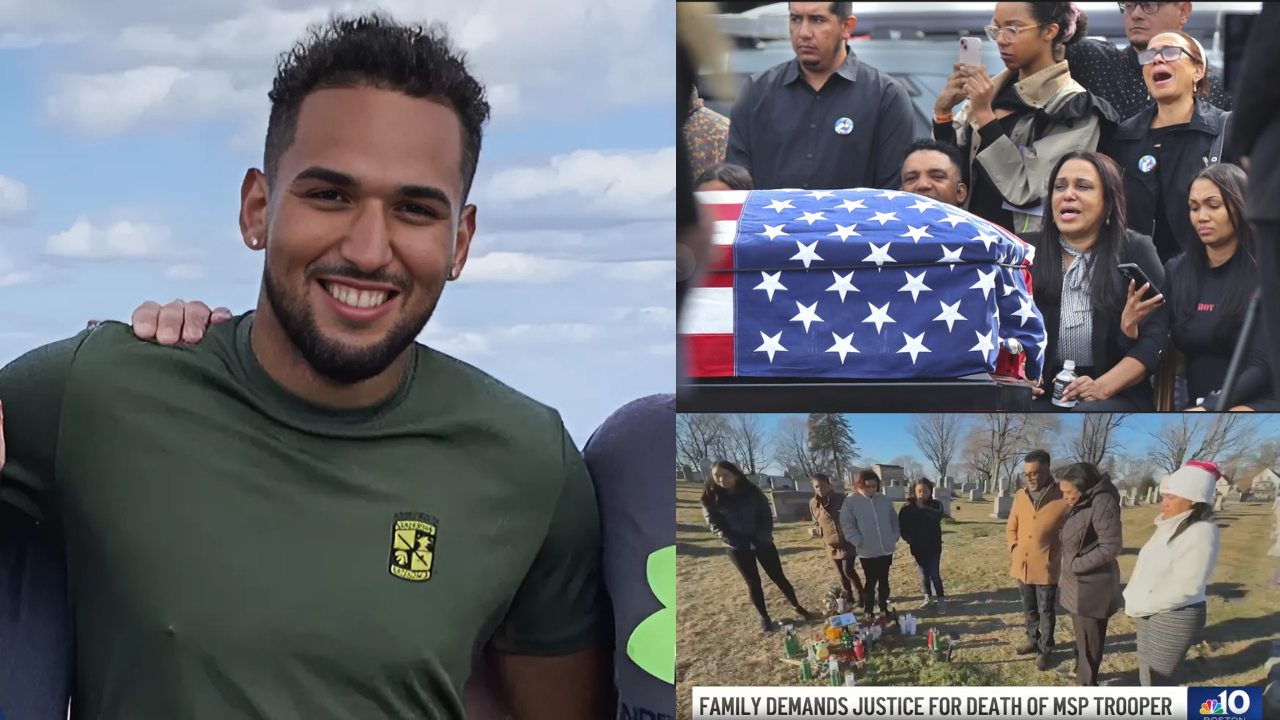
The new IACP report on the Massachusetts State Police Academy might be one of the clearest looks yet at the culture prosecutors say played a role in the death of Recruit Enrique Delgado-Garcia.
A lot of people are focused on the bigger headlines from the report — the chaos, the humiliation, the punitive rituals, and the 103 recommended reforms.
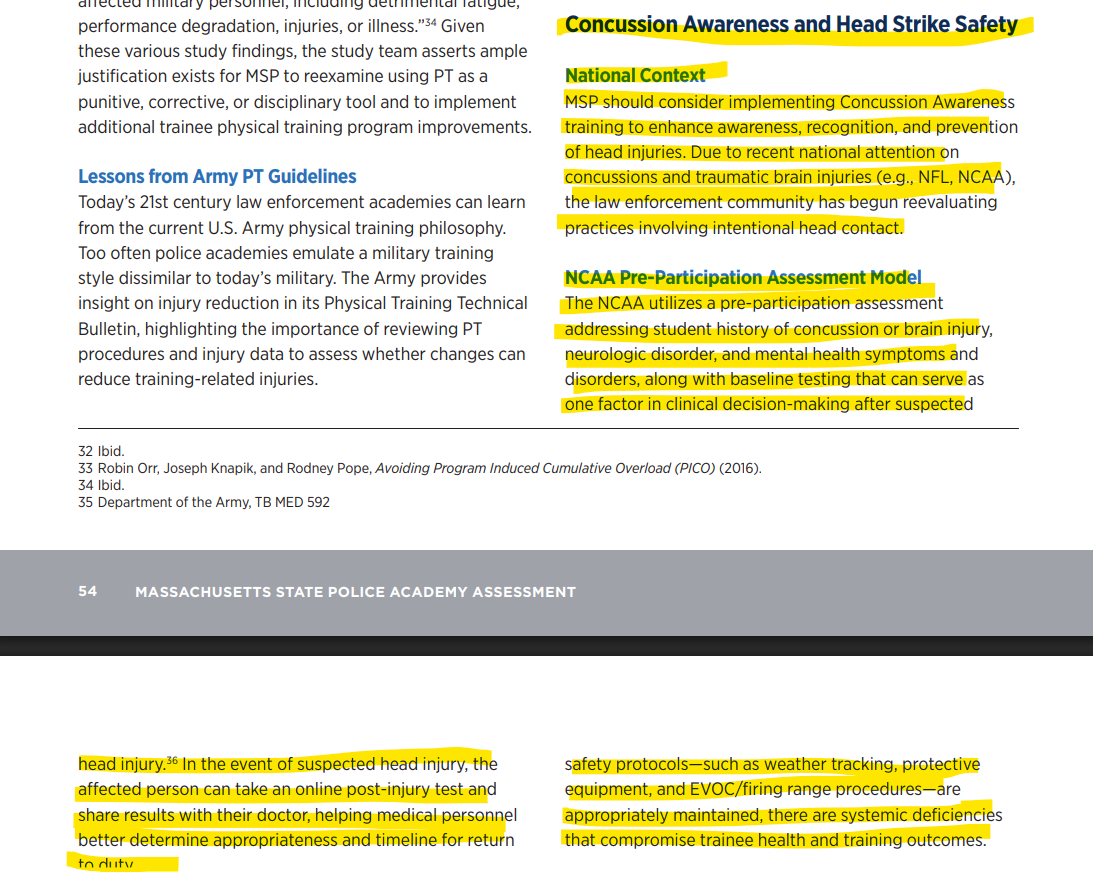
But one section really stands out.
Head strikes.
The report specifically talks about concussion awareness and head strike safety. It says boxing drills, “Red Man” exercises, and ground fighting scenarios all have the potential to cause serious head injuries.
That matters.
Because Enrique Delgado-Garcia died after a boxing training exercise at the Academy.
According to prosecutors, Delgado-Garcia suffered concussion-like symptoms after participating in what they describe as an unauthorized, unapproved, and poorly supervised boxing exercise. Four Massachusetts State Police troopers — Sgt. Jennifer Penton, Edwin Rodriguez, David Montanez, and Casey Lamonte — have since been charged in connection with his death.
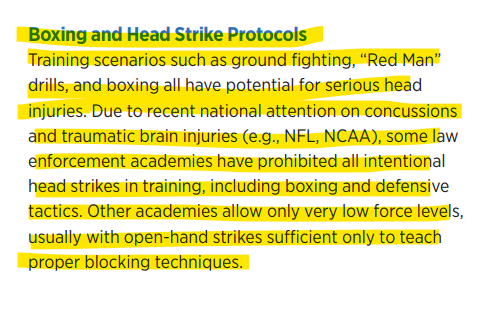
The IACP report says law enforcement agencies across the country are already reevaluating training that involves intentional head contact. Some academies have even banned intentional head strikes completely, including boxing and certain defensive tactics exercises.
So the obvious question is this:
If the risks were already known nationally, why was this still happening inside the Massachusetts State Police Academy?
The report recommends concussion awareness training, baseline neurological testing, better medical protocols, and stricter rules around head injuries. Those are not small suggestions. Those are the exact kinds of safeguards that could matter when recruits are being placed into physical training scenarios where head injuries are possible.
What makes this even more troubling is that the IACP report also criticizes the Academy’s reliance on tradition over documented lesson plans. It describes a culture where stress-based exercises were not always tied to clear learning objectives, and where unofficial practices appeared to become normalized over time.
That lines up with some of the biggest questions in the Delgado-Garcia case.
Was this training properly approved?
Was it properly supervised?
Were safety protocols actually followed?
And why did it take a recruit dying before these issues were finally forced into the light?
The report also points out that many concerns about Academy culture and leadership had already been raised back in 2006. That means some of these problems may have been sitting there for almost two decades.
Now Colonel Noble has delayed the next Academy class until priority reforms are put in place, and the boxing program has reportedly been permanently canceled.
But for Enrique Delgado-Garcia, those changes came too late.
That is what makes this report so important.
It does not just describe a broken training culture.
It shows that the warning signs were there.