
Enrique Delgado-Garcia Filing: Beyond Unauthorized Sparring Leadership Failed
After reviewing the Commonwealth’s Statement of the Case in the death of Enrique Delgado-Garcia, my conclusion is straightforward and always has been since I’ve been reporting on this case: while the unauthorized sparring on September 11th and the continued sparring on September 12th are key factors, it is not the biggest part of this story. The bigger issue, in my view, is the collapse in supervision, leadership, and intervention by the people who were responsible for the safety of the trainees under their control. That is what I’ve been saying from the start and now we see that this filing keeps pointing back to.
The filing names Sergeant Jennifer Penton, Trooper Edwin Rodriguez, Trooper David Montanez, and Trooper Casey LaMonte. Prosecutors say these four were not distant figures on the sidelines. According to the Commonwealth, they had direct management, direct control, and direct responsibility over the boxing-related training that preceded Enrique’s death. The state’s theory is that this case was built not just on what happened, but on what failed to happen: proper supervision, proper medical safeguards, proper judgment, and timely intervention.
The timeline laid out by the Commonwealth is important. Prosecutors allege that on September 11, 2024, Enrique suffered concussion-like symptoms after unauthorized, unapproved, and poorly supervised boxing-related sparring. Then on September 12, during what the filing calls “Boxing Day,” he suffered multiple blunt-force head injuries and massive brain bleeding during a recruit-on-recruit boxing match. He died the next day. But even in that sequence, the unauthorized sparring is only part of the picture. The filing repeatedly emphasizes acts and omissions by academy staff over those two days, meaning not only reckless actions, but failures to act where there was a duty to do so.
That is why I believe the strongest part of the Commonwealth’s filing is not simply the existence of unauthorized sparring. It is the allegation that academy leadership and Defensive Tactics staff failed at nearly every level around it. The filing says staff failed to implement best practices, failed to follow written safety protocols, failed to follow the approved lesson plan, failed to apply SCAR safety procedures, failed to properly account for medical information, failed to properly supervise sparring, and failed to stop the boxing match even after Enrique was taking repeated blows to the head, being knocked down, and ultimately knocked unconscious. That is not just a training problem. That is a leadership and supervision problem from top to bottom within the people directly running these exercises.
The September 11 sparring matters because prosecutors say it should have set off alarm bells before Boxing Day ever began. According to the filing, trainees were allowed to engage in aggressive boxing-related sparring with repeated head strikes, without adequate supervision and without medical staff present, and many ended up with bloody noses, black eyes, and headaches. Prosecutors say Enrique showed concussion-like symptoms after that day. What I discovered through my sources is that Enrique complained saying “My head doesn’t feel right”. In other words, the warning signs were allegedly already there. That makes the next day’s decisions look even more serious.
The matchup itself only underscores the point. According to the filing, the trainee Enrique ultimately boxed was the most experienced and skilled fighter in the group — the kind of imbalance you’d compared to a young Mike Tyson being put in with someone clearly outmatched (Tyson vs Long in Oct 9, 1985). Prosecutors say concerns were raised about that trainee’s boxing ability, that another trainee objected to the pairing and asked to be switched, and that after that fell apart, the instructors asked for volunteers. Enrique was the only trainee to step forward, and prosecutors say he was still allowed to remain matched against the more experienced fighter anyway. To me, that goes beyond bad luck or a demanding training environment. It speaks directly to judgment, oversight, and who was making decisions in a setting prosecutors already describe as dangerous.
Then there is the part of the filing that stands out to me the most because it echoes a pattern I have focused on before: the handling of records and after-the-fact conduct. The Commonwealth says the grand jury examined not only what happened before Enrique was knocked unconscious, but also the actions, conversations, and communications that took place afterward. Prosecutors specifically allege that shortly after Enrique was taken by ambulance from the academy, Casey LaMonte revised the lesson plan to add “Boxing Fundamentals” to the September 11 schedule and created another boxing-related document after the September 12 incident that inaccurately described what had happened.
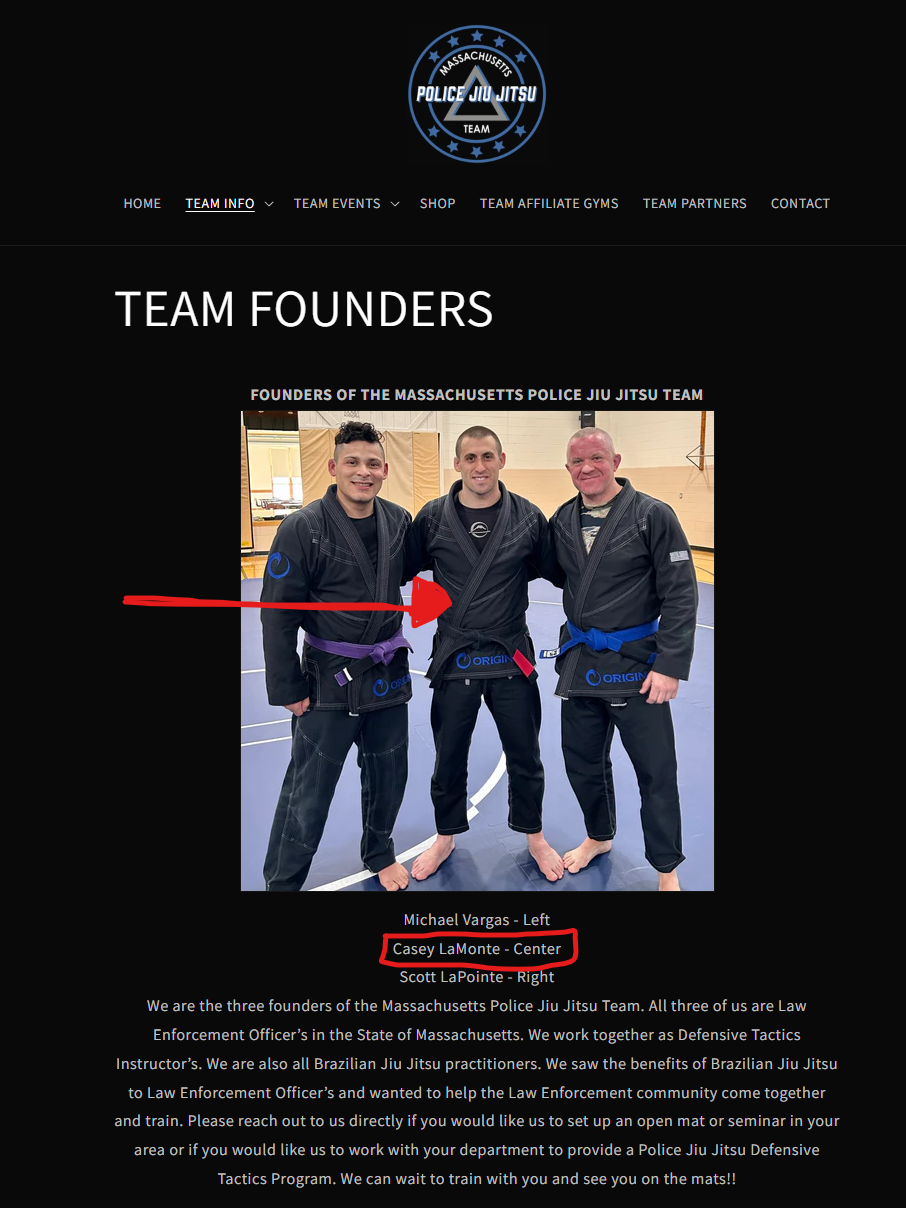
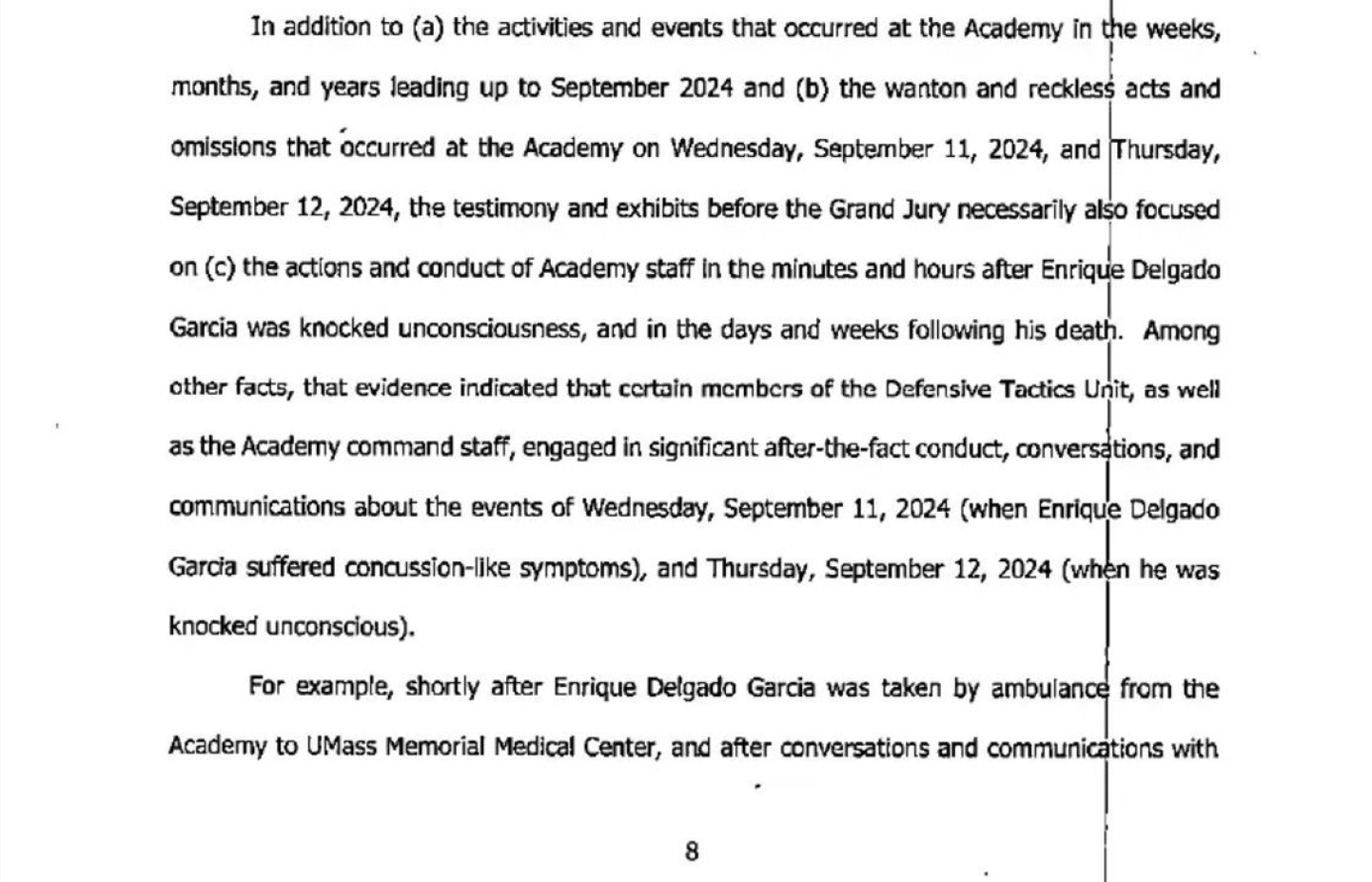
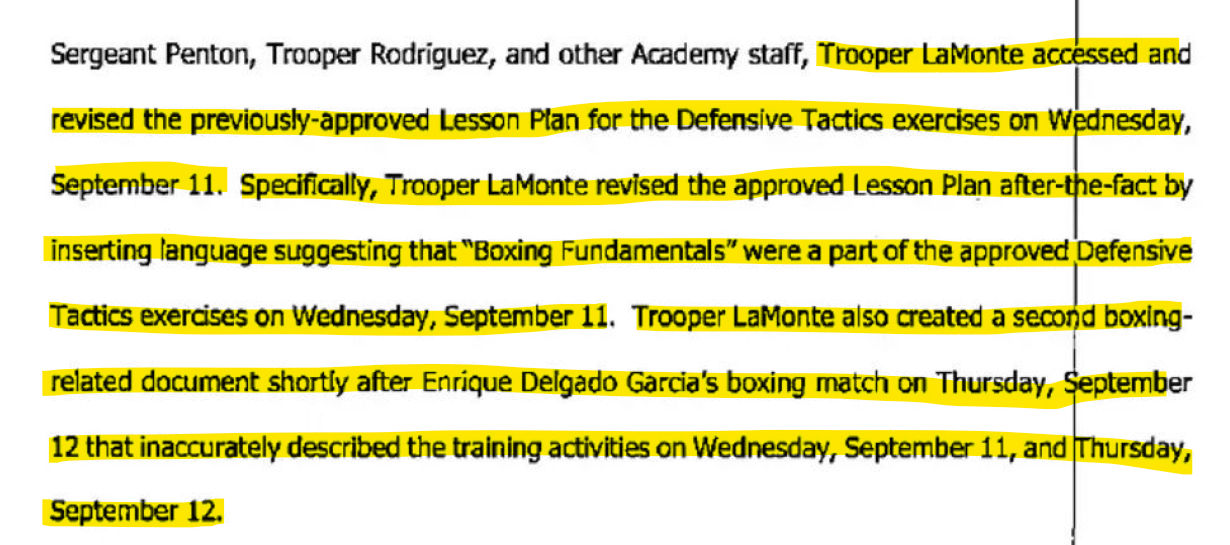
That allegation matters. In my view, once documents start being revised or narratives start being shaped after a critical incident, the paperwork becomes part of the story. That is one of the reasons this filing grabbed my attention so quickly. It raises the same kind of red flags just like in Karen Read’s case: not because the cases are identical, but because when the record itself becomes an issue during or after the fact, it suggests the public should be paying very close attention.
The separate perjury allegation against Penton adds to that concern. Prosecutors say Enrique had reportedly complained of memory loss, headaches, and other concussion-like symptoms after the prior day’s sparring, that Penton was informed of that information, that she did not relay it to medical personnel, and that she later denied under oath that she had been told. If that allegation is proven, it would not just be a side issue. It would go directly to credibility, accountability, and whether critical information was withheld at a moment when Enrique’s condition may already have been deteriorating.
For me, that is the clearest way to understand this filing. The unauthorized sparring is important, but it is only one piece of the case. The more serious finding is that prosecutors are describing a complete breakdown in leadership, supervision, and intervention by the people charged with running these exercises safely. And layered on top of that is the allegation that the record itself may have been altered or reshaped afterward. That combination is what makes this filling so significant.
If the Commonwealth can prove what it has laid out here, then this was not simply a tragic academy training incident. It was, according to the state’s own theory, a preventable death inside a system where the people in charge failed to stop what was unfolding and where the aftermath may have included efforts to redefine what happened once the damage was done.
NO MORE RECRUIT DEATHS
You can see my overview of this filing on my YouTube channel here:
Brian – LTL Media
